Breathwork

What is Elemental Rhythm Breathwork?
Elemental Rhythm is a modern breathwork practice that combines breathing, music, movement, and meditation to help people achieve physical, emotional, mental, and spiritual breakthroughs. It is based on ancient pranayama practices and is often described as a fun, dynamic, and transformative experience.
What is the Breakthrough Experience?
The Elemental Rhythm Breakthrough Experience is a signature session that uses deep, cyclic, and rhythmic breathing in combination with music to create a space for emotional release and transformation.
We begin the experience with brief introductions, then dive into the session with some simple shaking or qi gong. From there, we transition onto our mats and get ready to breathe.
We ground ourselves, breathe into the heart, and set our intentions for the work of the day. I lead participants through 5 or 6 rounds of progressive breathwork, breathing in rhythm with the music and the beat, adjusting our cadence as we progress.
We round off the breathing with a guided meditation, finishing with affirmations to support closure and integration. We close the session with an opportunity to share about our experiences, as well as time to deepen our reflections through journaling.
Private Breathwork Session, 1:1, In-Person $180
Private Breathwork Session, Group, In-Person $100 per person
Tetany During Breathwork:
What It Is & Why It Happens
What is Tetany?
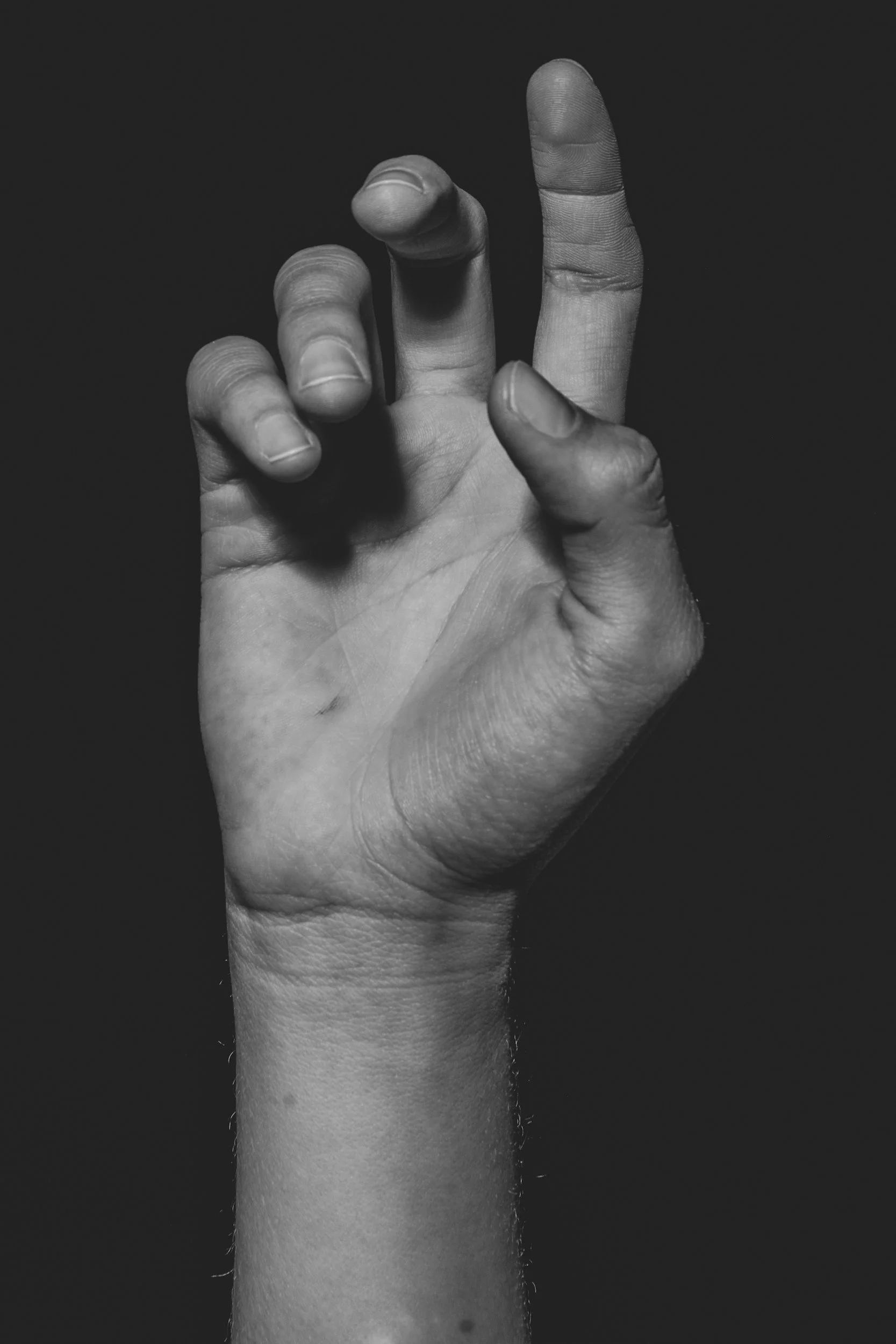
Tetany during breathwork is commonly characterized by cramping, tightening, tingling, numbness, or a temporary sense of paralysis. It most frequently affects the hands, often referred to as "claw hands" or "T-Rex hands" due to their distinctive shape. However, tetany can also occur in the calves, feet, or around the mouth and jaw area, occasionally causing the mouth to lock into an "O" shape. This sensation is a common experience during full-length connected breathwork sessions, affecting approximately 70% to 80% of participants.
If you experience tetany in breathwork, the most important thing to remember is that there is nothing to fear! The sensation is temporary and usually subsides within a few minutes once you return to a normal breathing pattern. In some cases, tingling may persist for up to 15 minutes, but no one has ever been permanently "stuck" with claw hands from a breathwork session.
The Physiological Explanation
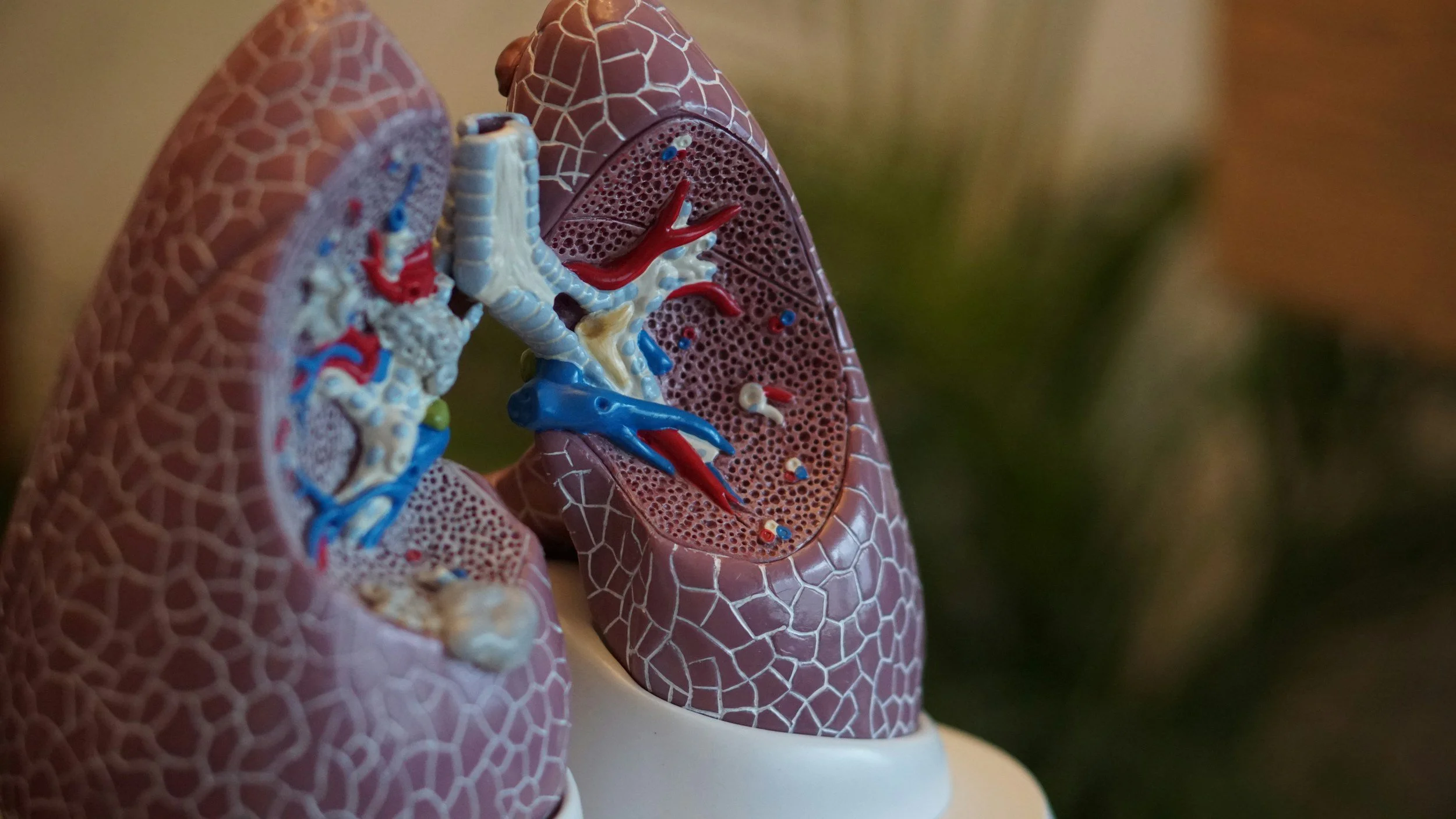
Here's the breakdown of what's happening in your body:
Increased Ventilation: Deep, rhythmic breathing significantly boosts the amount of air exchanged by the lungs.
Exhalation of CO₂: Each exhalation removes more CO₂ from the body compared to normal breathing.
Reduced CO₂ Levels: The excessive expulsion of CO₂ leads to decreased concentration in the blood.
Increased pH (Alkalosis): The drop in CO₂ raises blood pH, creating respiratory alkalosis. This triggers the Bohr effect, causing hemoglobin to hold oxygen more tightly and temporarily reducing oxygen delivery to tissues.
Calcium Binding: The rise in blood pH causes calcium to bind more tightly to proteins, reducing freely available ionized calcium. This drop in free calcium—not a deficiency in total calcium—makes nerves and muscles hypersensitive and prone to spasm.
Tetany: The combination of reduced free calcium and nerve hyperexcitability produces the tingling, tightening, and cramping you experience.
How to Reduce Intense Tetany:
Make sure your exhale is passive. A forceful exhale expels more CO₂, leading to lower levels. Focus on the inhale and let the exhale be a natural "letting go."
Check your breathing depth and speed. Most people benefit from breathing more deeply or quickly, but about 10% (typically athletes or Type-A personalities) benefit from a gentler approach. If intense tetany occurs, try breathing more softly and slowly.
Consider your fitness level. Athletes and those with higher lung capacity often experience tetany more rapidly and intensely because they're deeper breathers. For these individuals, a softer approach often yields breakthroughs.

The Psycho-Spiritual Perspective
Tetany most often manifests in the hands—symbolizing the grip of holding on tightly to something.
Among experienced breathwork facilitators, the consensus is that tetany (when not caused by forced exhales) is often a sign of resistance, processing stored tension in the body, or the need to surrender or let go. Tetany can also be a physical manifestation of underlying fears and anxieties. The more fear and anxiety a participant carries, the more intense the tetany may feel during breathwork.
Interesting observation: Participants with high levels of anxiety often report intense tetany even when their bodies appear less tense than others. In these cases, the experience is more about fear, anxiety, resistance, and perception than physical tension alone.
When Tetany Arises, Turn Within:
Rather than trying to avoid tetany, embrace it as a chance for transformation and self-discovery. View it as a gift—your body is revealing something significant for you to explore. Tetany often indicates a threshold you're ready to cross.
If you experience intense tetany, ask yourself: "What is it time for me to let go of?" It could be a grudge, childhood trauma, a past relationship, a fear, self-sabotaging behavior, negative self-talk, or even a fear of letting go, losing control, or vulnerability itself.
A key insight: As people become more comfortable in the breath—more willing to feel, more trusting, less resistant—tetany often dissolves. This represents growing capacity to surrender rather than brace. As resistance softens, so does the grip.

The Holotropic Explanation
According to Stan Grof, tetany and muscular tension during holotropic breathwork reflect bioenergetic blockages in the body. These can arise from emotional or physical trauma—sometimes from birth—or from challenging transpersonal experiences. Tetany is not harmful; rather, it's a positive signal that the body is processing unresolved tension. Ongoing breathwork often leads to intensification, culmination, and resolution of these tensions.
Tetany allows for natural processing and release of stored traumas. When supported by safe, conscious breathing, this allows strong emotional material to be integrated, leading to profound healing.
Managing Tetany If Sensations Become Overwhelming
Try starting sitting up while gently circling your body in rhythm with your exhale and inhale
Slow your breathing and concentrate more on breath awareness
Include gentle movement of hands and feet when you first feel it coming on
Try vocal toning—making vowel sounds on the exhale—to support parasympathetic activation
Approach it with curiosity rather than resistance. The more you resist, the stronger it often becomes
Trust that your body is processing something; you don't need to know consciously what it is to benefit from healing
Ask yourself: "Is there something I need to let go of or surrender to?"
Ensure proper hydration and eat foods high in calcium, magnesium, and potassium (bananas, leafy greens, coconut water)
Breathe into your hands or a paper bag for rapid symptom reduction
Locate the sensation precisely and describe how it feels (sharp, hot, tense, dull, etc.)
Dance between your edge—when it becomes too much, back off to a gentler breath, inquire, regain your determination, then return to deeper breathing when ready
You Are Safe & In Control
Breathwork involves surrendering to the full spectrum of human experience. Continue breathing through tetany if you feel safe. However, remember: you are in control. If sensations become overwhelming, you can ease them by slowing and softening your breath while keeping it connected.
If needed, switch to normal nose breathing. This usually helps sensations subside within 1-2 minutes. Once grounded, you can return to connected breathing. This technique is called "titration" and is empowering to know as an option, especially for those with trauma or anxiety.
Give It Time
For many, after the peak, intense tetany transmutes into deep emotional or energetic release. Others have more density and fear to work through, and it may take several sessions to move past physical layers toward subtle emotional and energetic layers.
However, if you continue with breathwork and allow yourself to surrender to the sensations, each session becomes like peeling back another layer. Breakthroughs arise in their own time, and when they do, profound, life-changing shifts often follow.